Echoes of the Pharaohs: Exploring Egypt’s Timeless Ruins and Modern Contrasts
After wrapping up a whirlwind transit through East Asia, the next chapter of the journey began with a leap across time zones to a place where history feels almost tangible: Egypt. Navigating a region as dense with ancient ruins, complex architecture, and sprawling museums as this can be daunting, but armed with AI tools for historical context and itinerary planning, it became an incredibly smooth self-guided adventure.
Here is a look back at an unforgettable week split between the monumental scale of Luxor and the vibrant chaos of Cairo.
Luxor: The Living Museum of the Nile
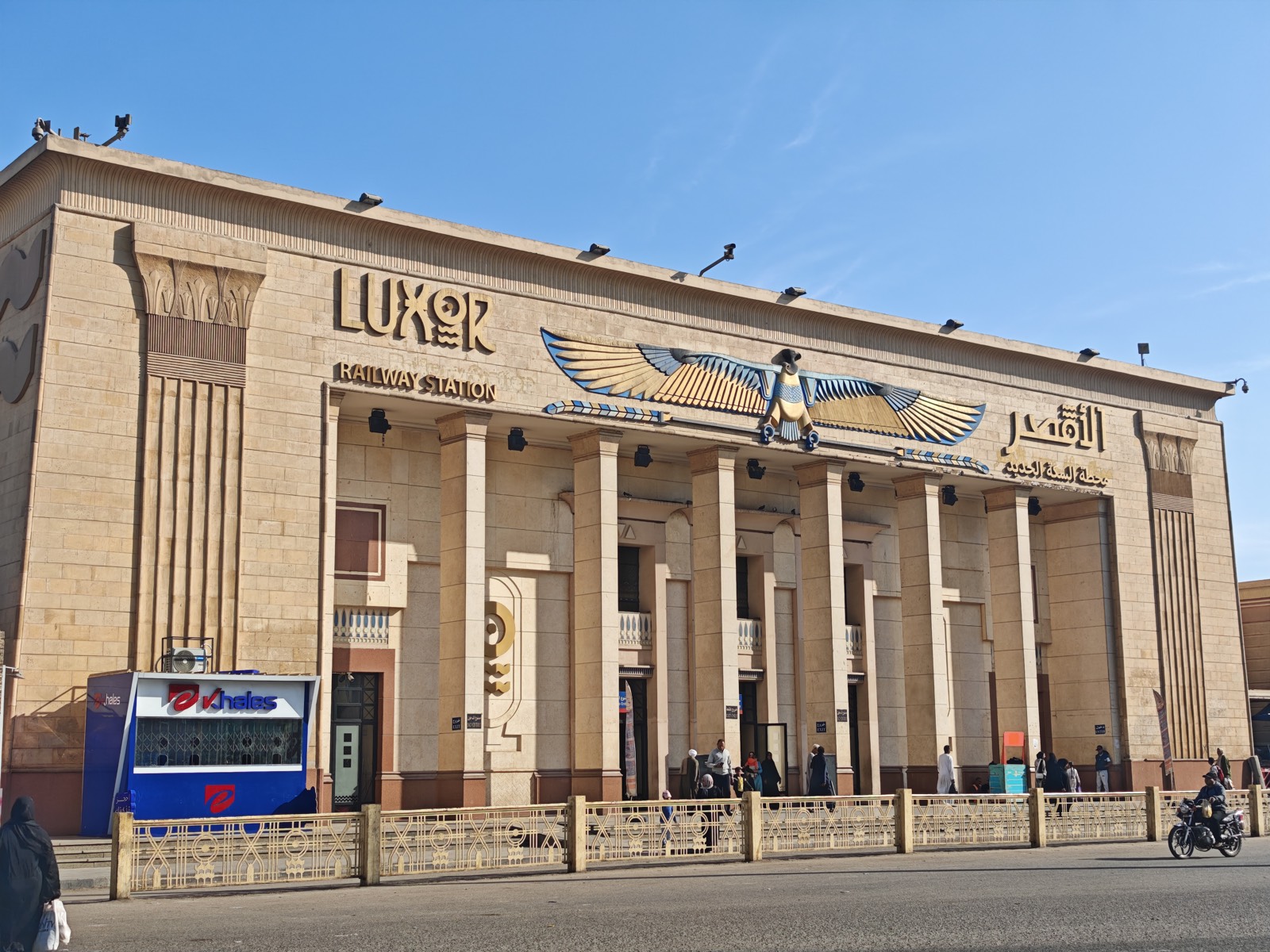
Following a multi-leg flight via Qatar airways and a brief overnight stay at Cairo’s Terminal 2, I caught an early morning flight to Luxor. While the Luxor train station is an architectural landmark and a popular hub for those arriving by rail, I opted for the speed of flying.
Checking into the Hilton Luxor, the view of the Nile River was immediate and breathtaking.
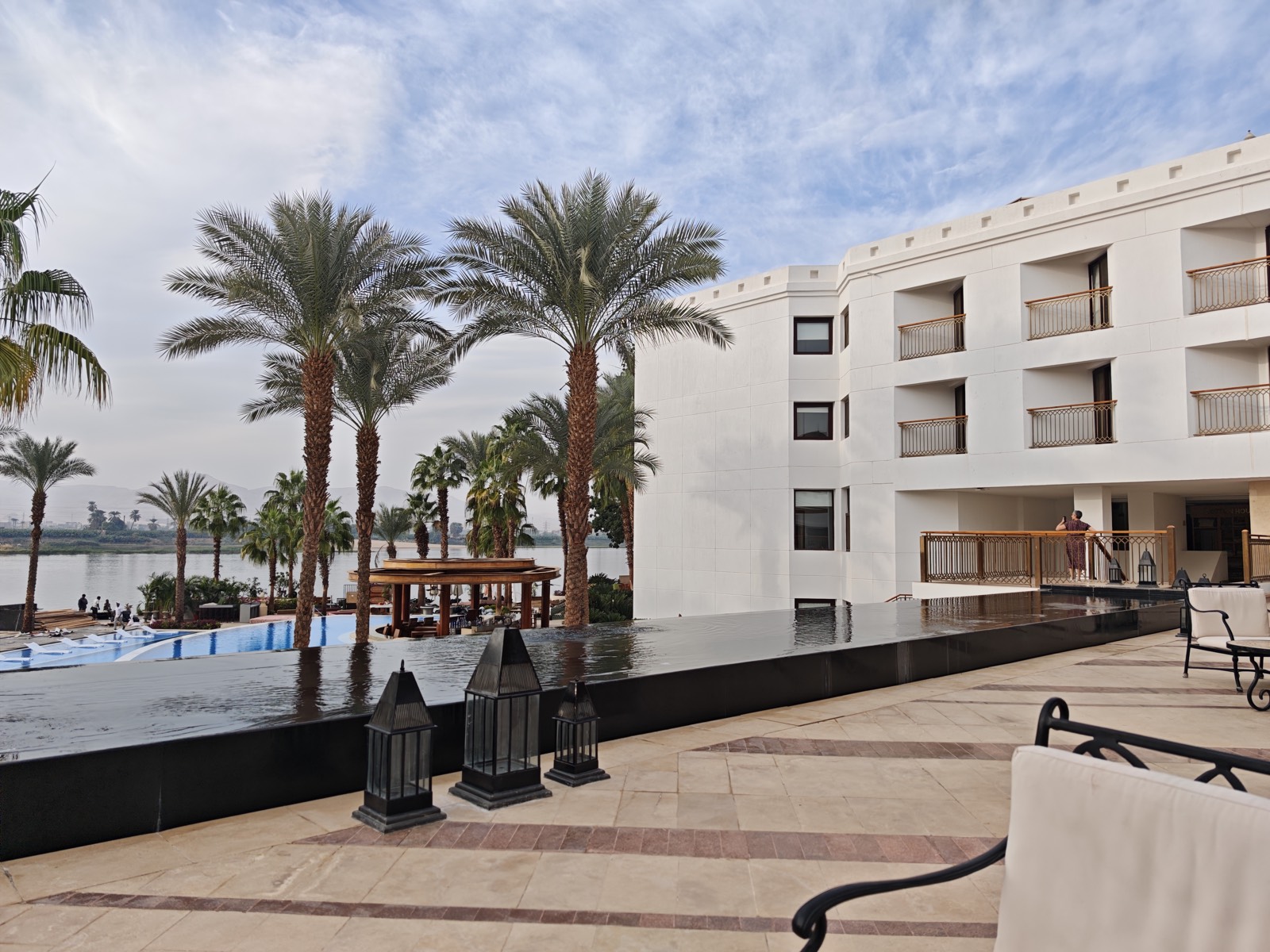
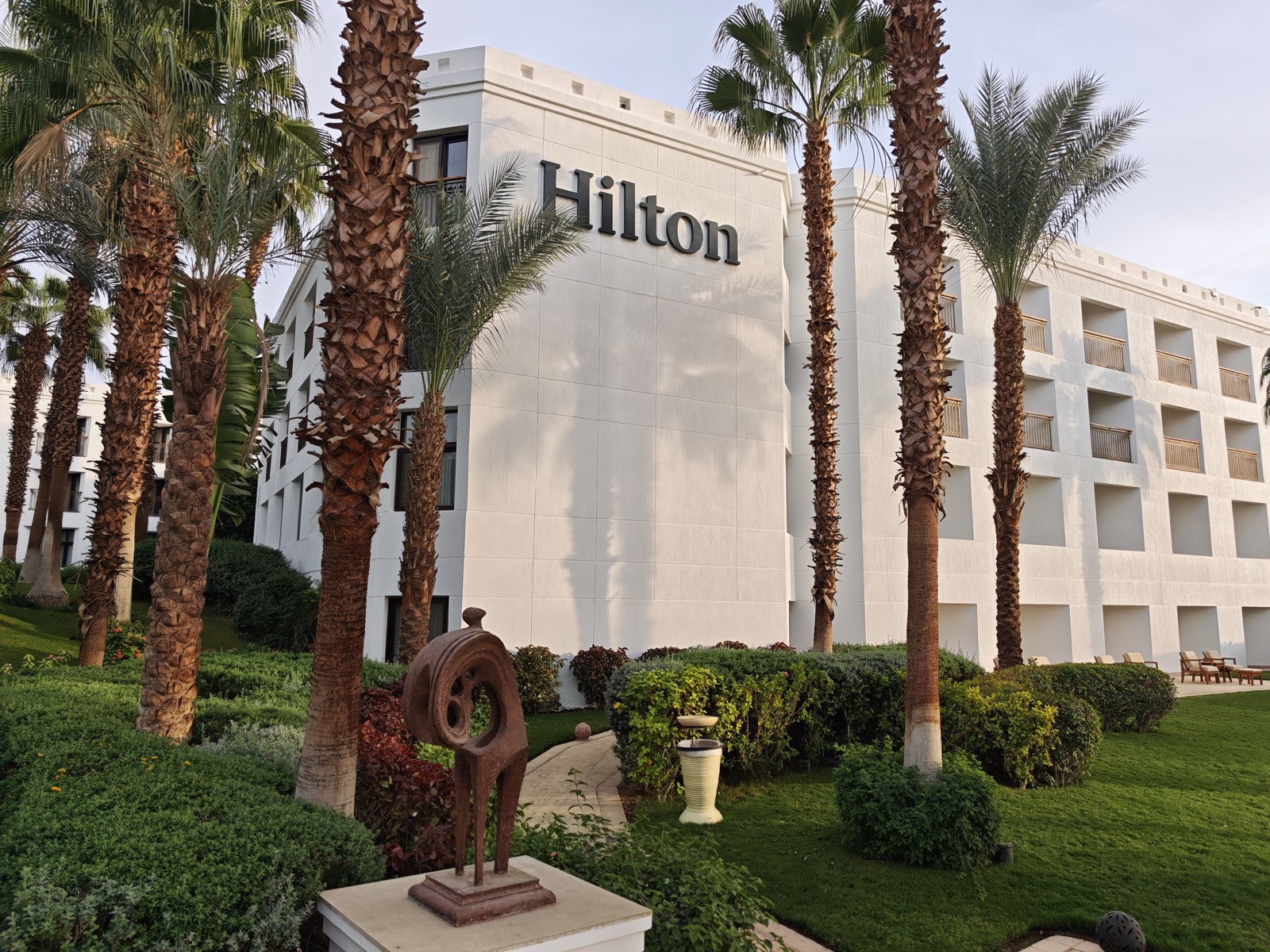
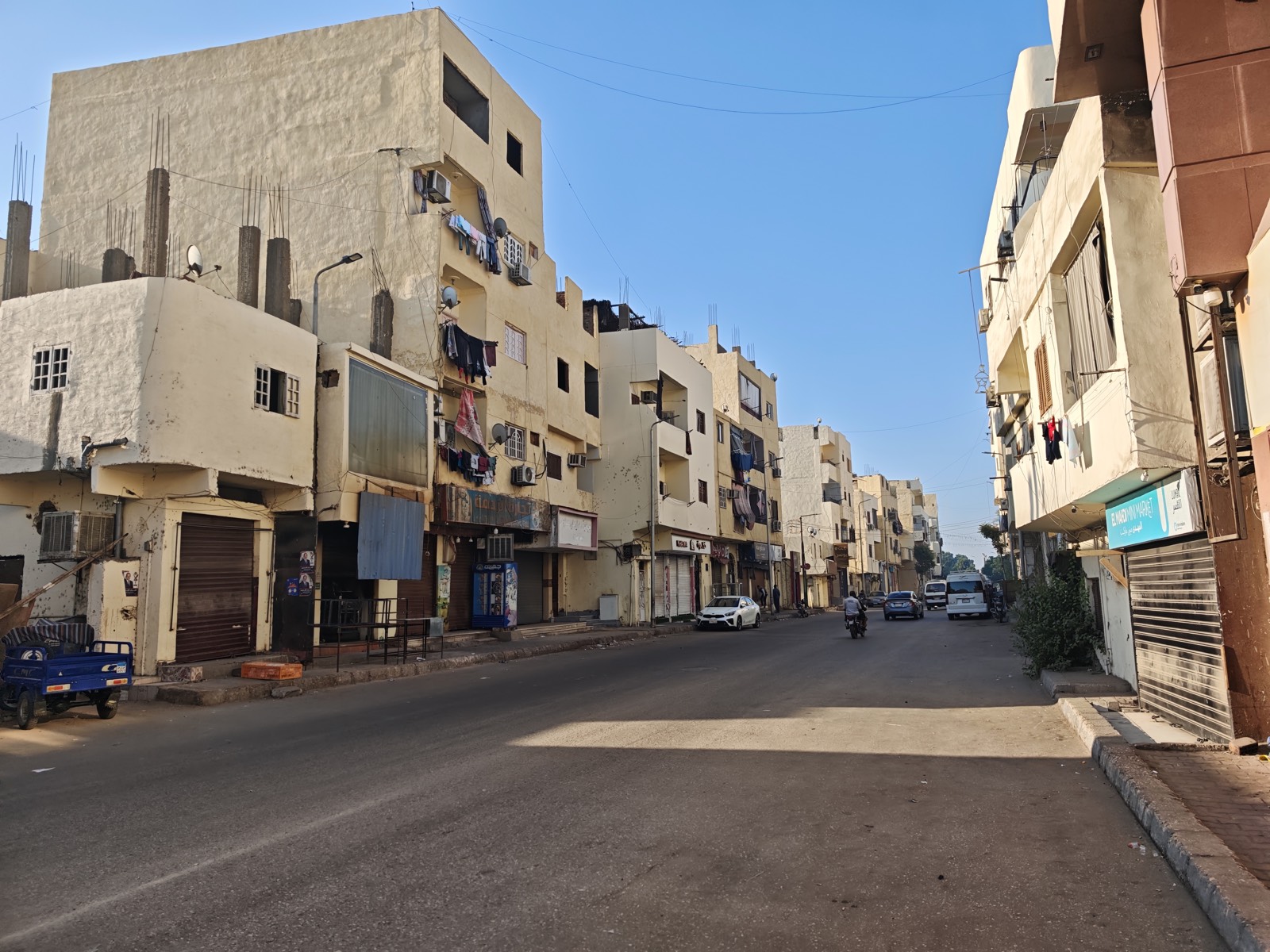
There’s a fascinating, if sometimes stark, contrast in Luxor. On one hand, you have the sheer luxury of the hotel (where a wealthy family was hosting a lavish wedding at Habu City), and just steps away, the reality of the much poorer neighboring communities. Walking through the local streets gives a visceral sense of daily life away from the tourist resorts.
The West Bank: Temples and Tombs
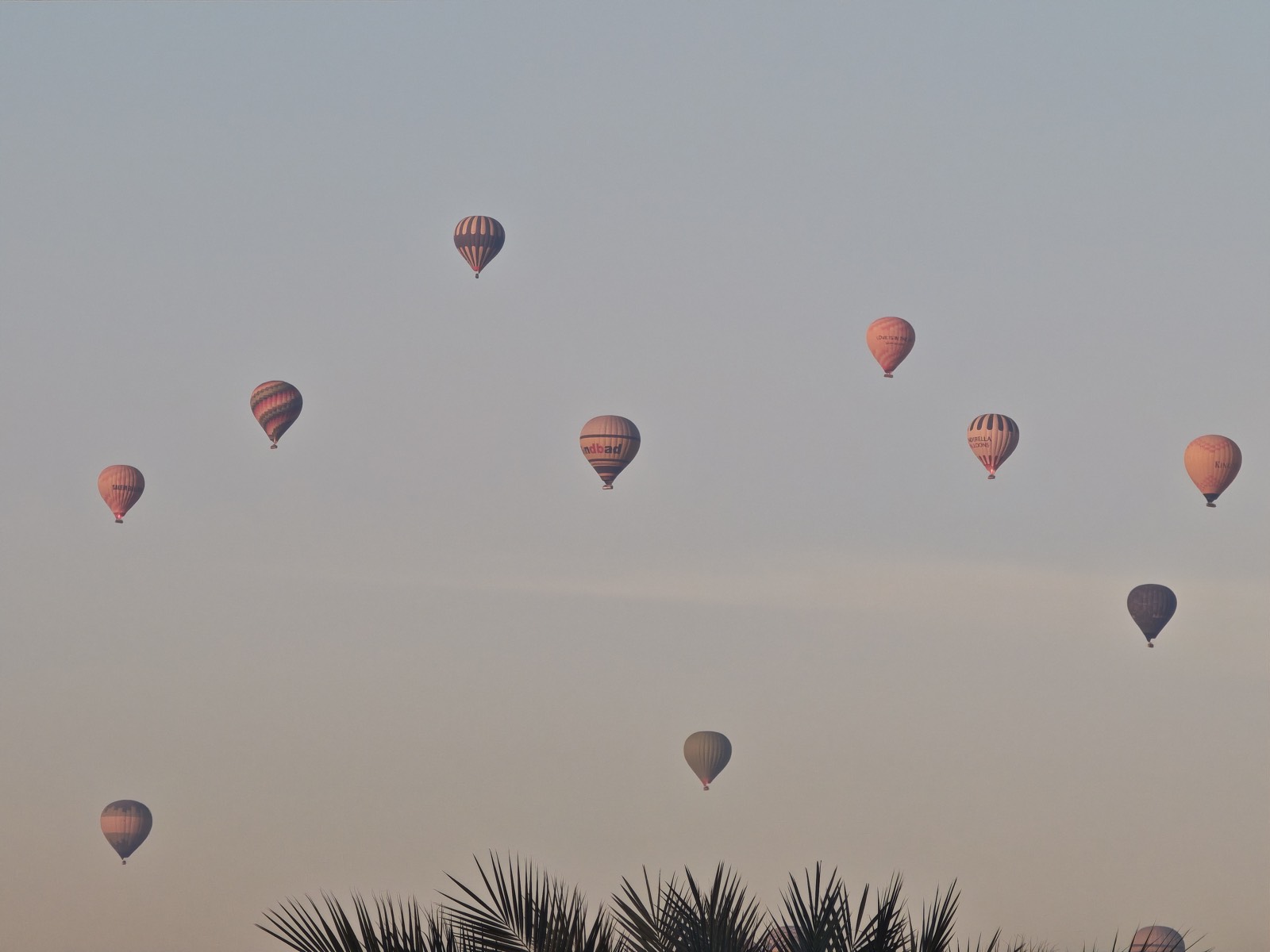
To get a truly unparalleled view of this ancient landscape, I highly recommend an early morning hot air balloon ride, providing a stunning aerial perspective of the West Bank as the sun rises.
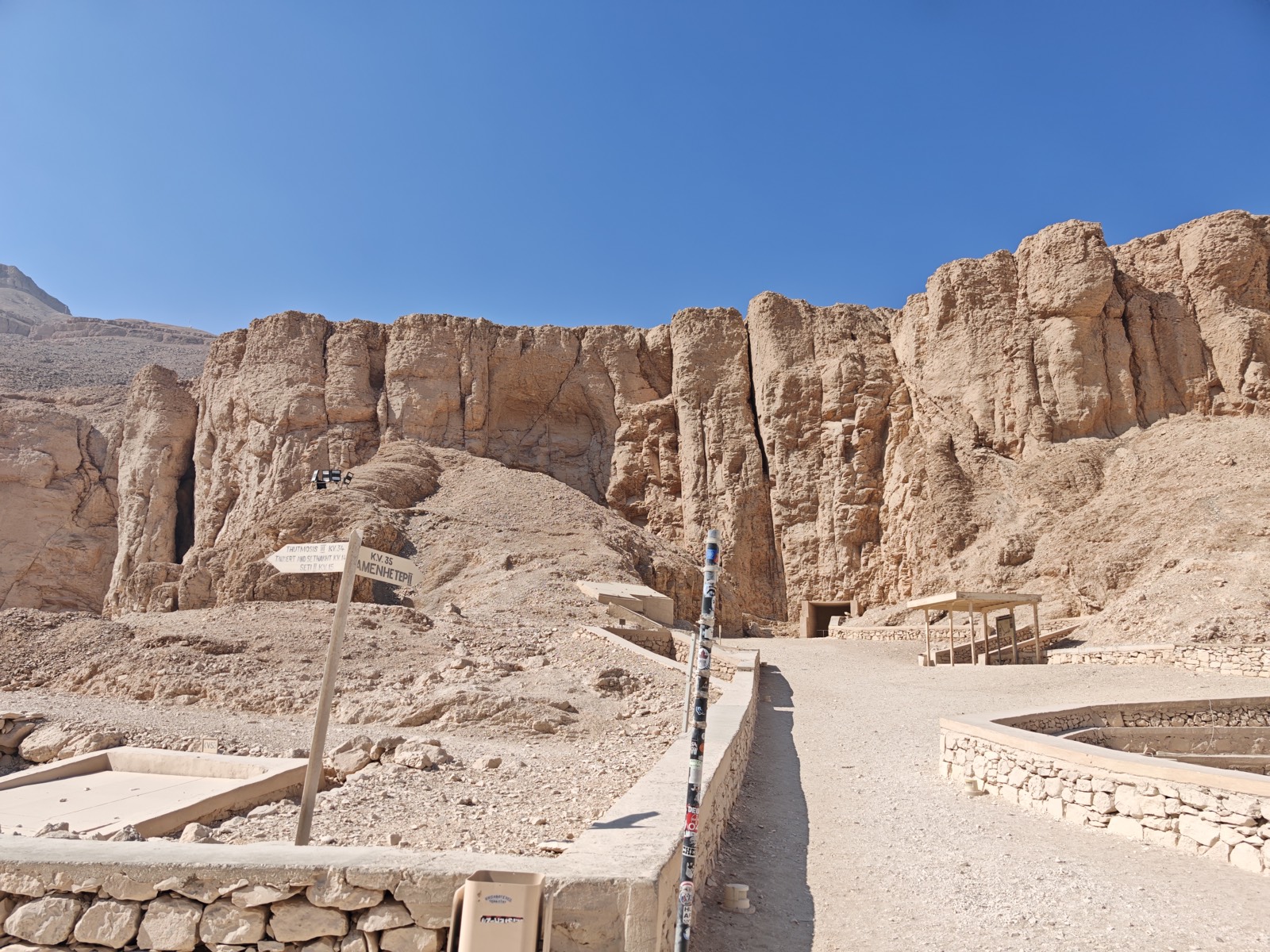
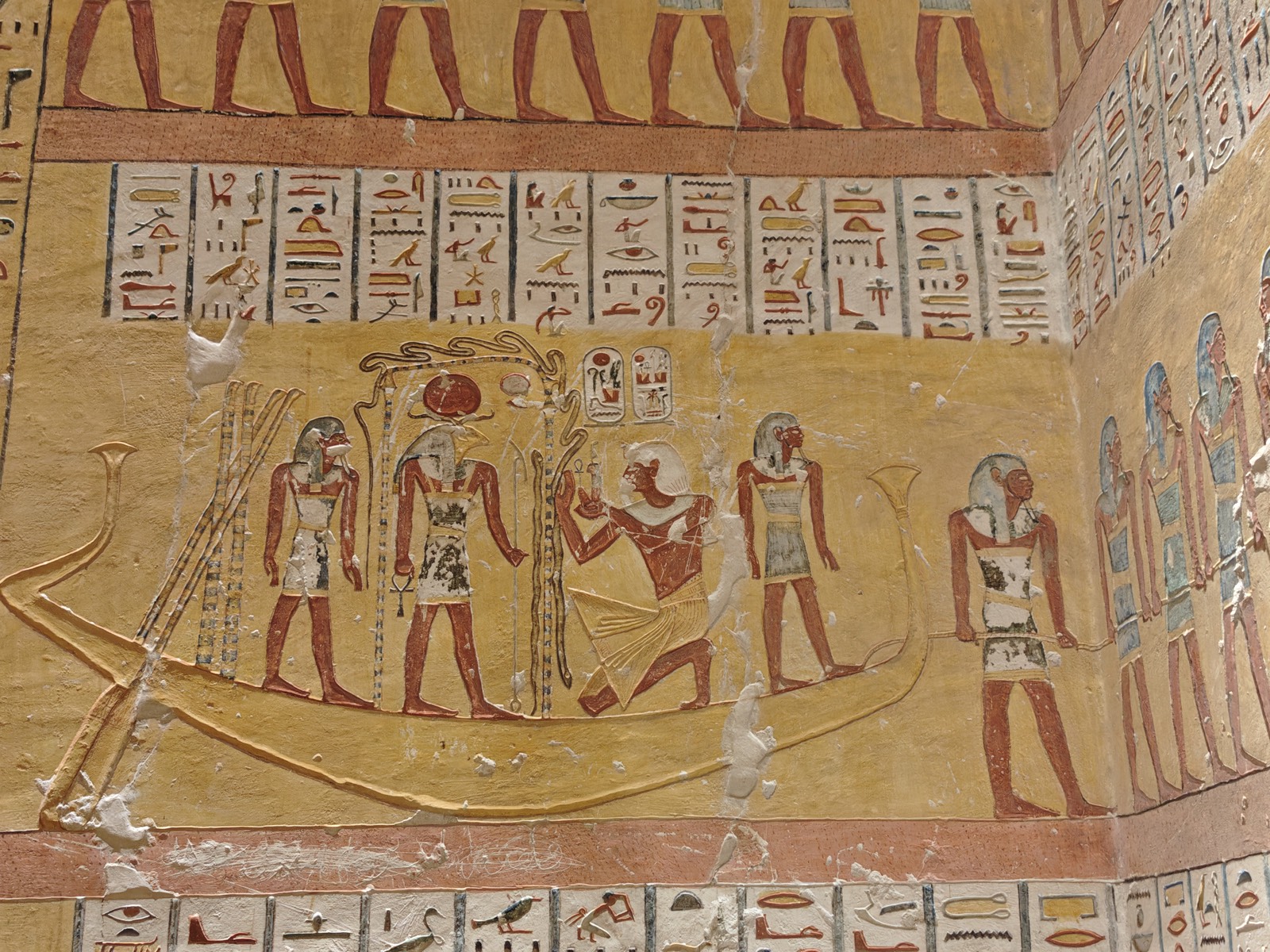
I hired a private taxi for $20 USD (a bit overpaid, but the service was fine) to explore the West Bank. The Valley of the Kings is astonishing—a massive complex of New Kingdom tombs carved directly into the landscape.
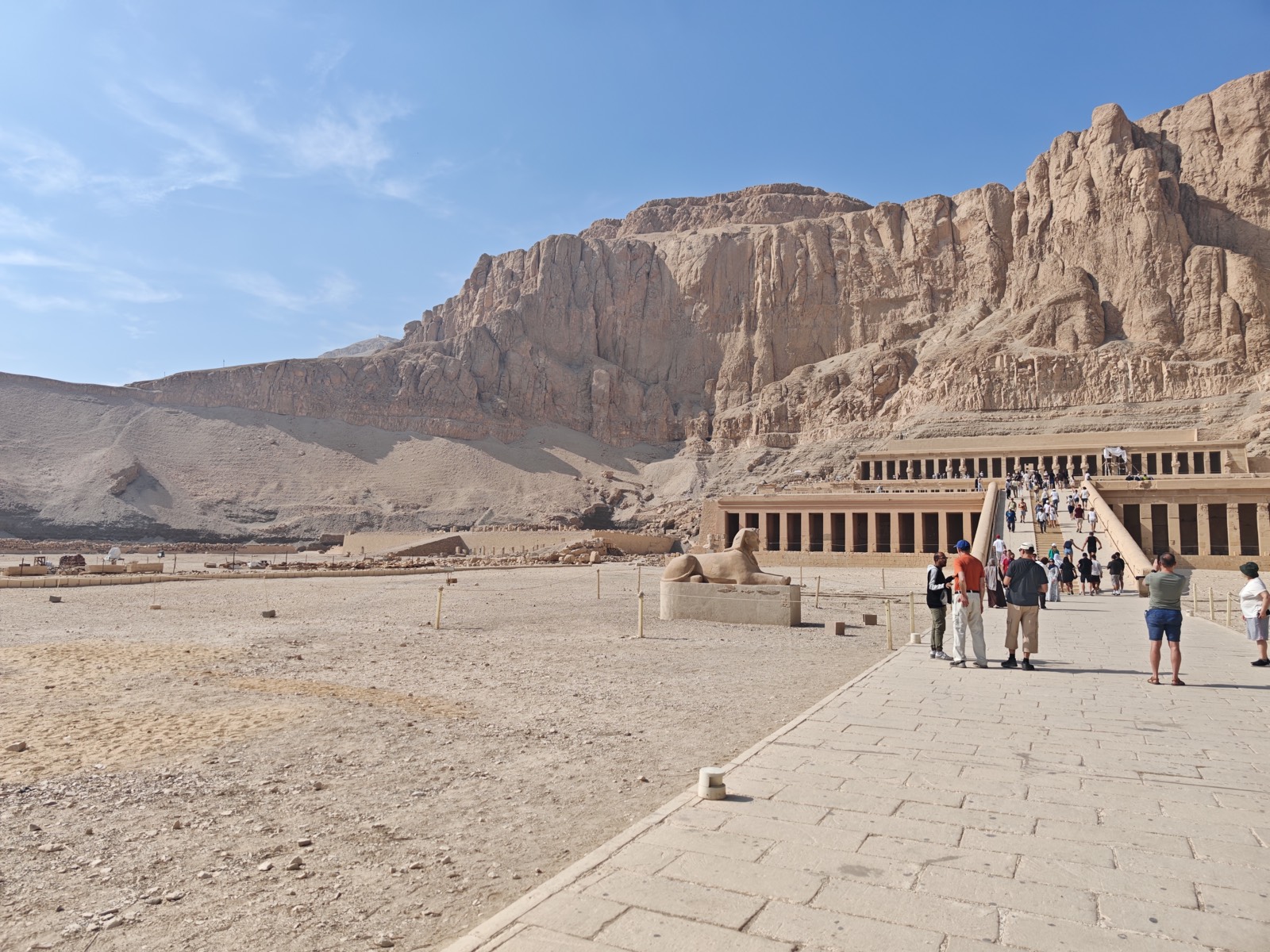
A highlight of the day was the Mortuary Temple of Hatshepsut. While its heavy reconstruction is a point of debate among historians, it undeniably succeeds in giving you a true sense of the temple’s original, awe-inspiring architectural scale.
We wrapped up the West Bank at Habu City, which remains one of the most rewarding and visually striking archaeological sites in the area.

The East Bank: Strolling the Sphinxes
The next day was dedicated to Karnak and the East Bank. Karnak Temple is simply colossal.
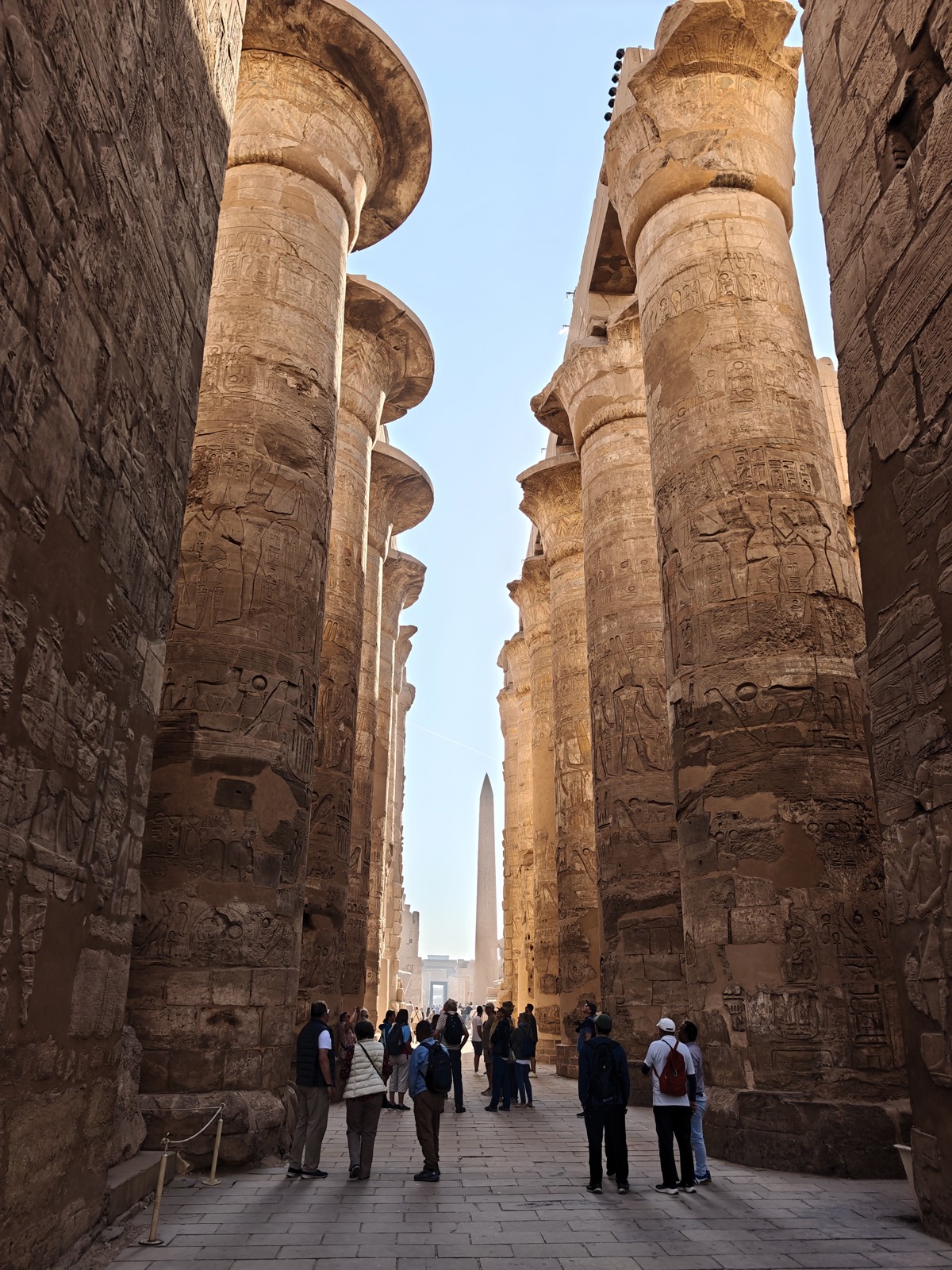
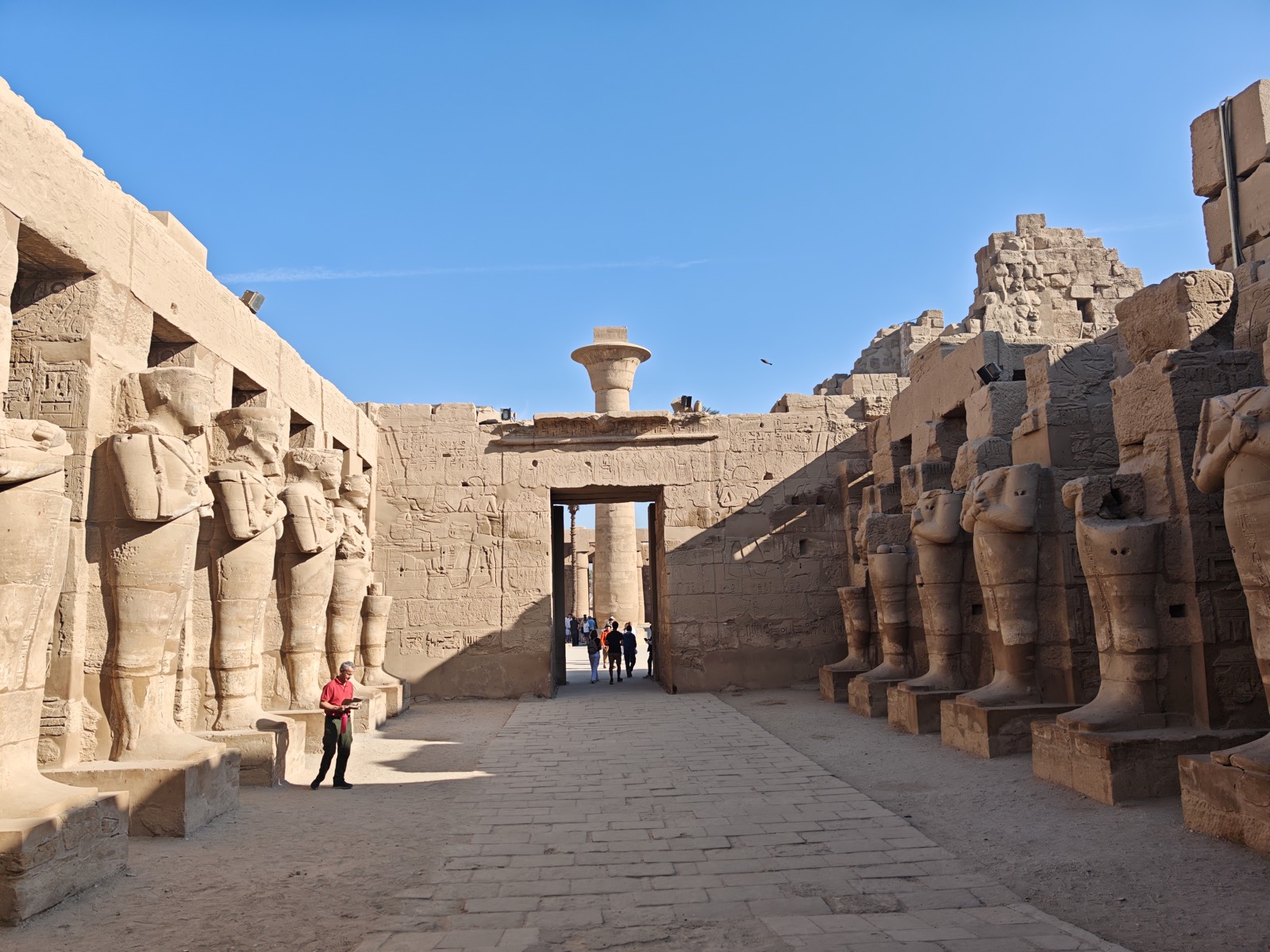
From there, I walked a portion of the newly restored Alley of the Sphinxes, which stretches all the way to Luxor. Though the middle sections are still a bit rough around the edges, it leads right to the small but highly curated Luxor Museum—a must-visit, especially seeing local students touring the exhibits.
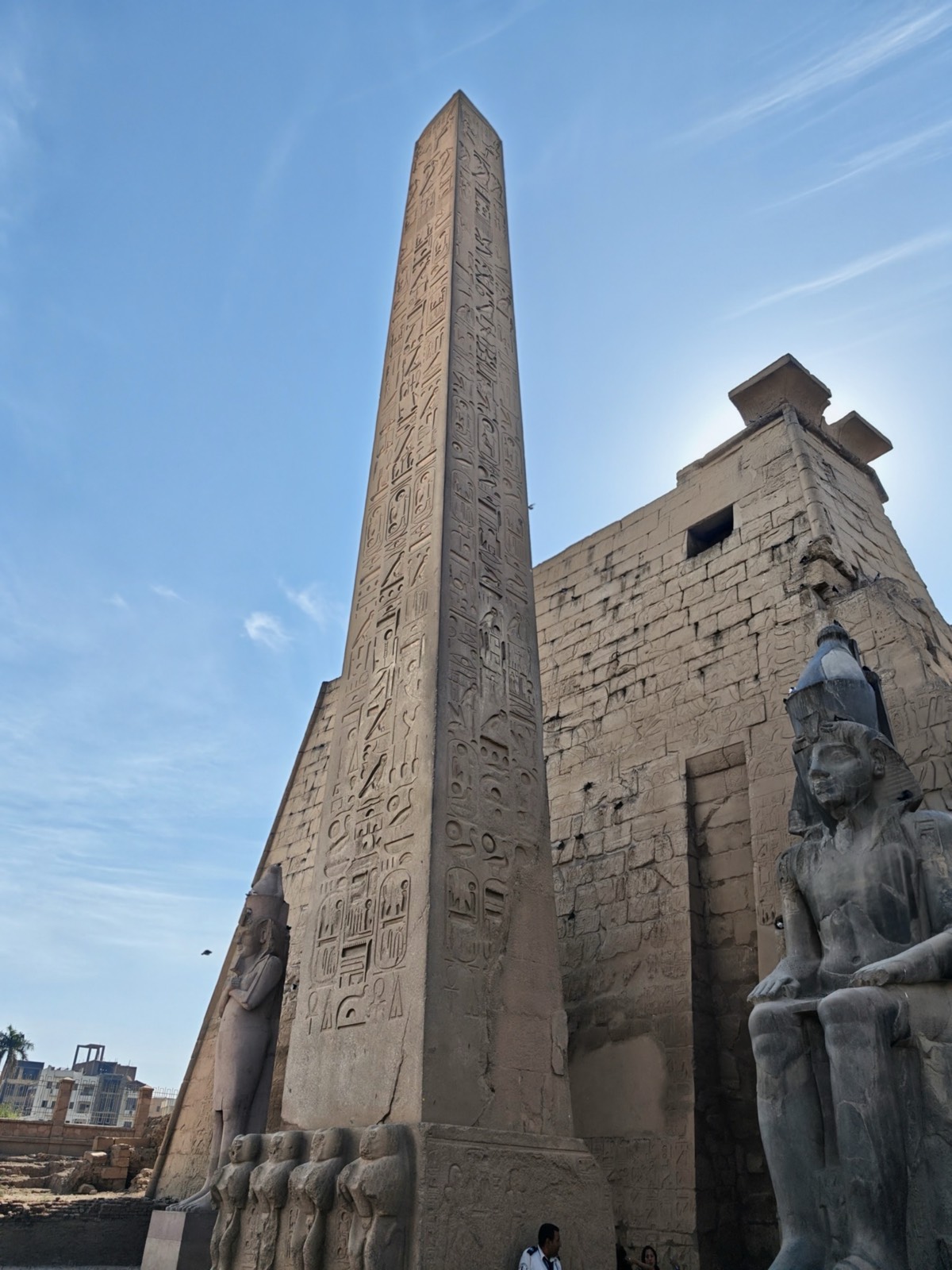
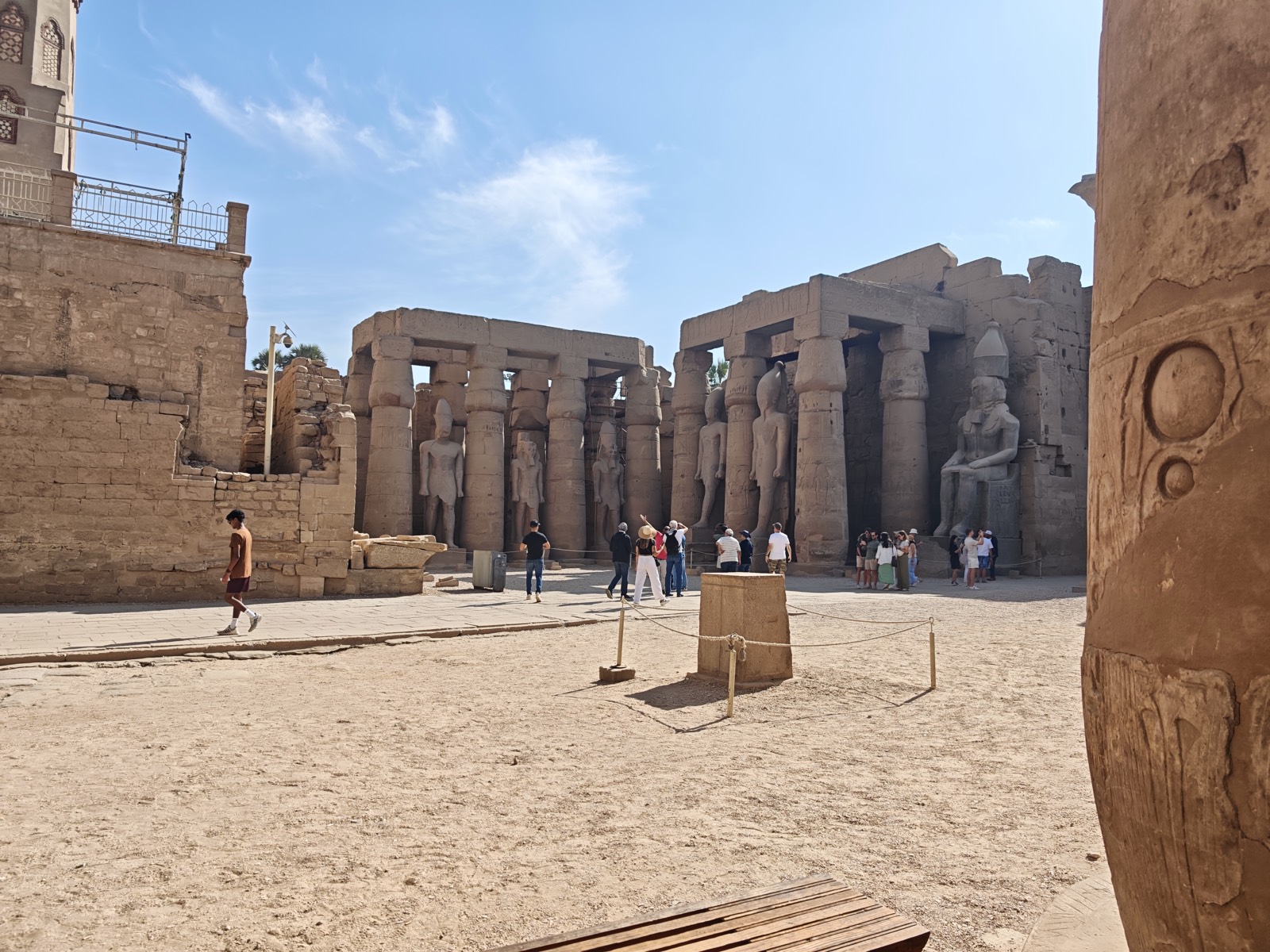
Further down the river is Luxor Temple. While smaller in scale and slightly less overwhelming than Karnak, it shares a similar architectural elegance.
Cairo: Pyramids, Palaces, and Pink Museums
A quick flight brought me to Cairo, where the basecamp was the Hyatt Regency Cairo West. My introduction to the capital’s modern side was the Mall of Arabia—a massive, upscale complex featuring an IKEA and high-end grocery stores that highlight the economic divide in the country.
Giza and the Grand Egyptian Museum
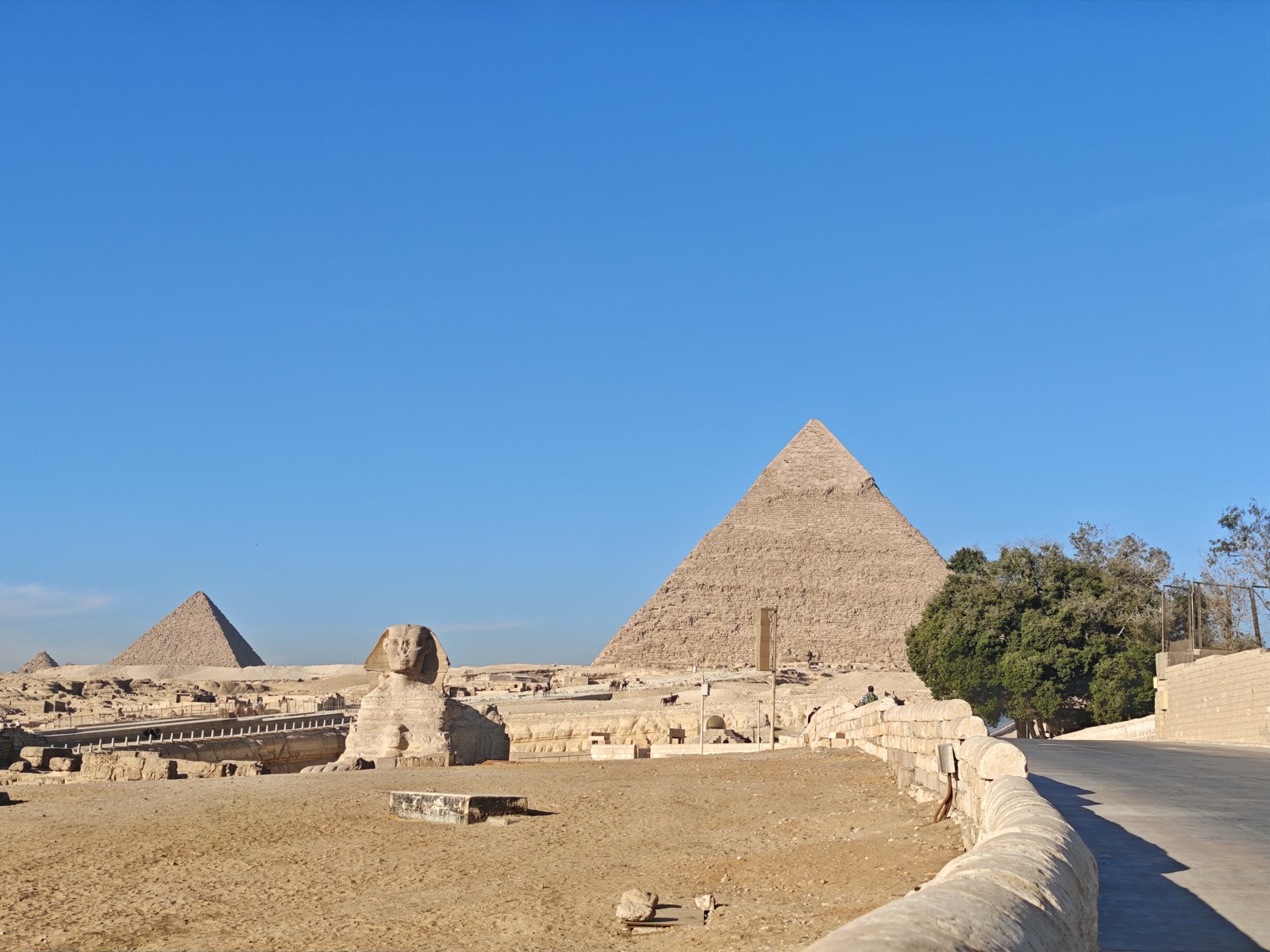
If there is one golden rule for the Giza Pyramids, it’s to go early.
The morning quiet makes the monumental structures even more astonishing. The compound now has a free shuttle, making it incredibly easy to navigate without walking for miles. (Just be prepared to firmly say “no” three times to the persistent camel vendors before they move on).
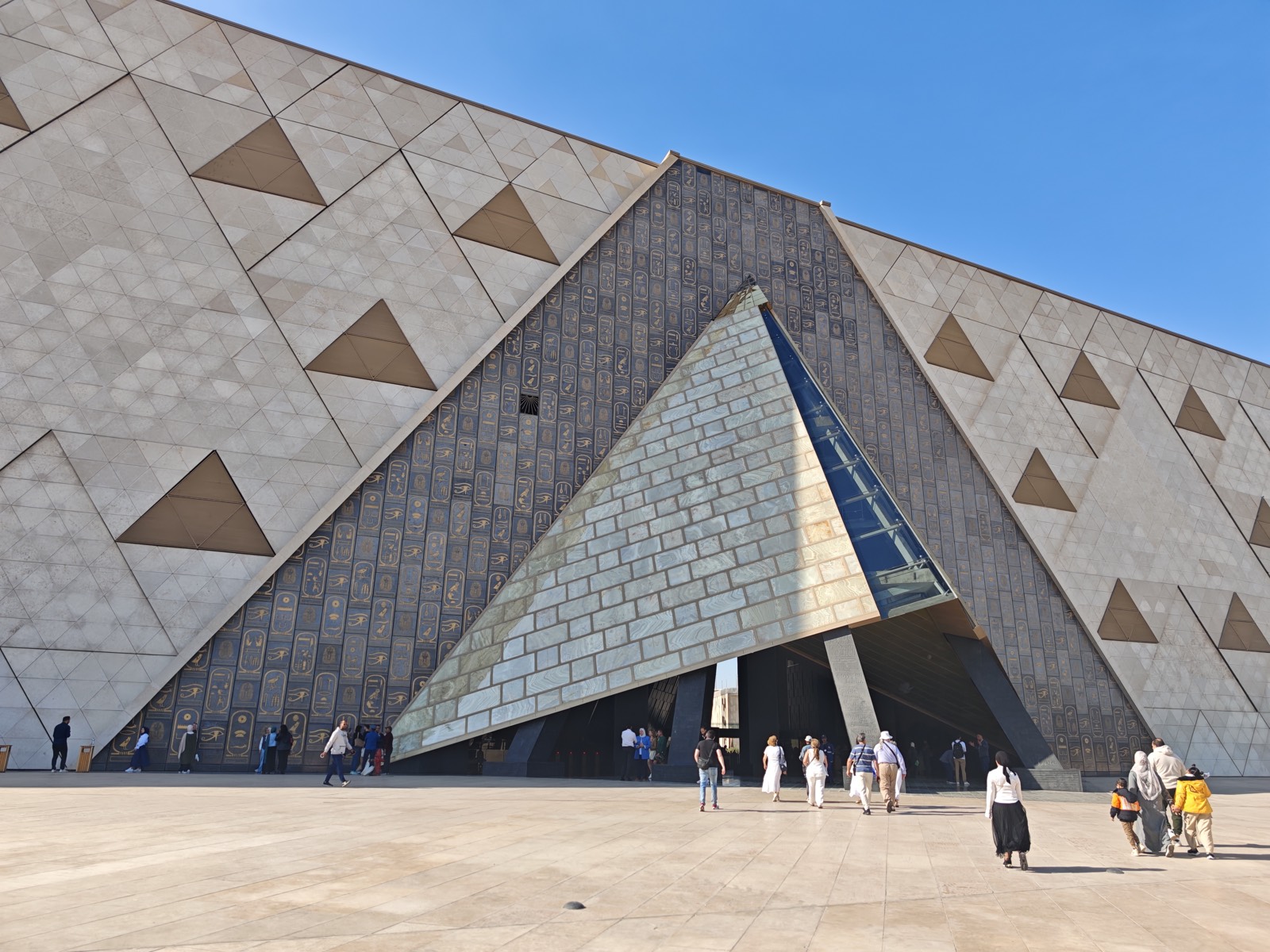
Next up was the highly anticipated Grand Egyptian Museum (GEM). The modern building is beautiful, and the exhibits are methodically organized.
The dedicated hall for Tutankhamun is spectacular; while he wasn’t the most historically significant pharaoh, the intact nature of his tomb provides an unmatched look at royal artifacts. The separate building housing the Khufu Solar Boat—built for religious purposes rather than actual sailing—is equally impressive.
Deep Dive into the Older Pyramids
For anyone fascinated by the historical progression of these structures, a trip south to the older pyramids is essential. Thanks to an unbelievable $8.50 USD private car deal on Viator, I visited the Red Pyramid, Bent Pyramid, Pyramid of Unas, and the Step Pyramid of Djoser.
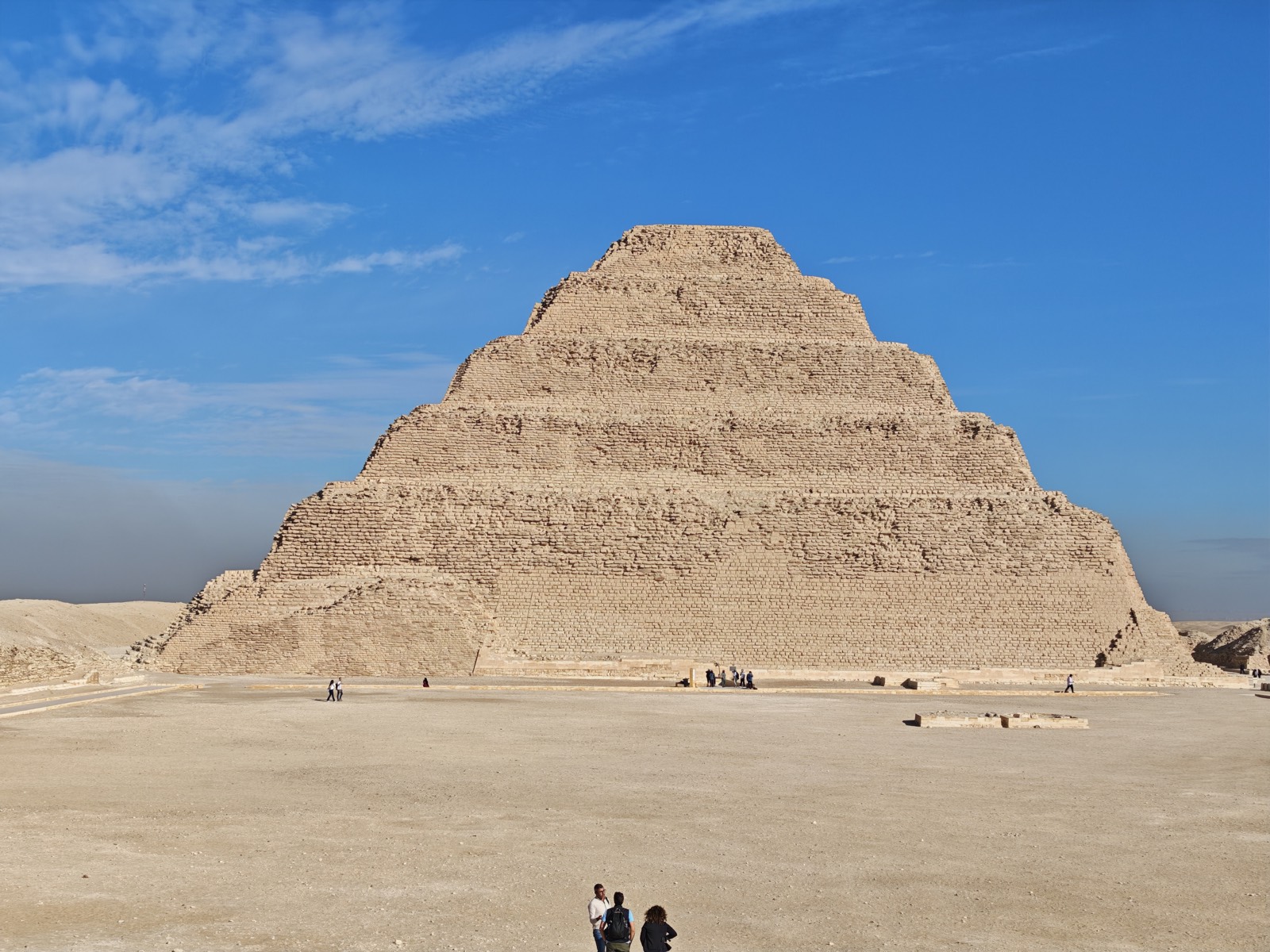
Getting inside these pyramids is a physical experience. Navigating the steep, narrow, and claustrophobic paths of the Red and Bent pyramids is astonishing when you consider the engineering required to build them.
Later that evening, I walked around the residential compound near the hotel. It offered an interesting glimpse into Cairo’s upper class: beautifully maintained shared garden palaces filled with local wild birds, massive private houses (costing around 1 million CNY), and driveways filled with SUVs and even a few Chinese EVs.
A Tale of Three Museums and a Citadel
My favorite day in Cairo was spent simply walking the city. Highlights included:
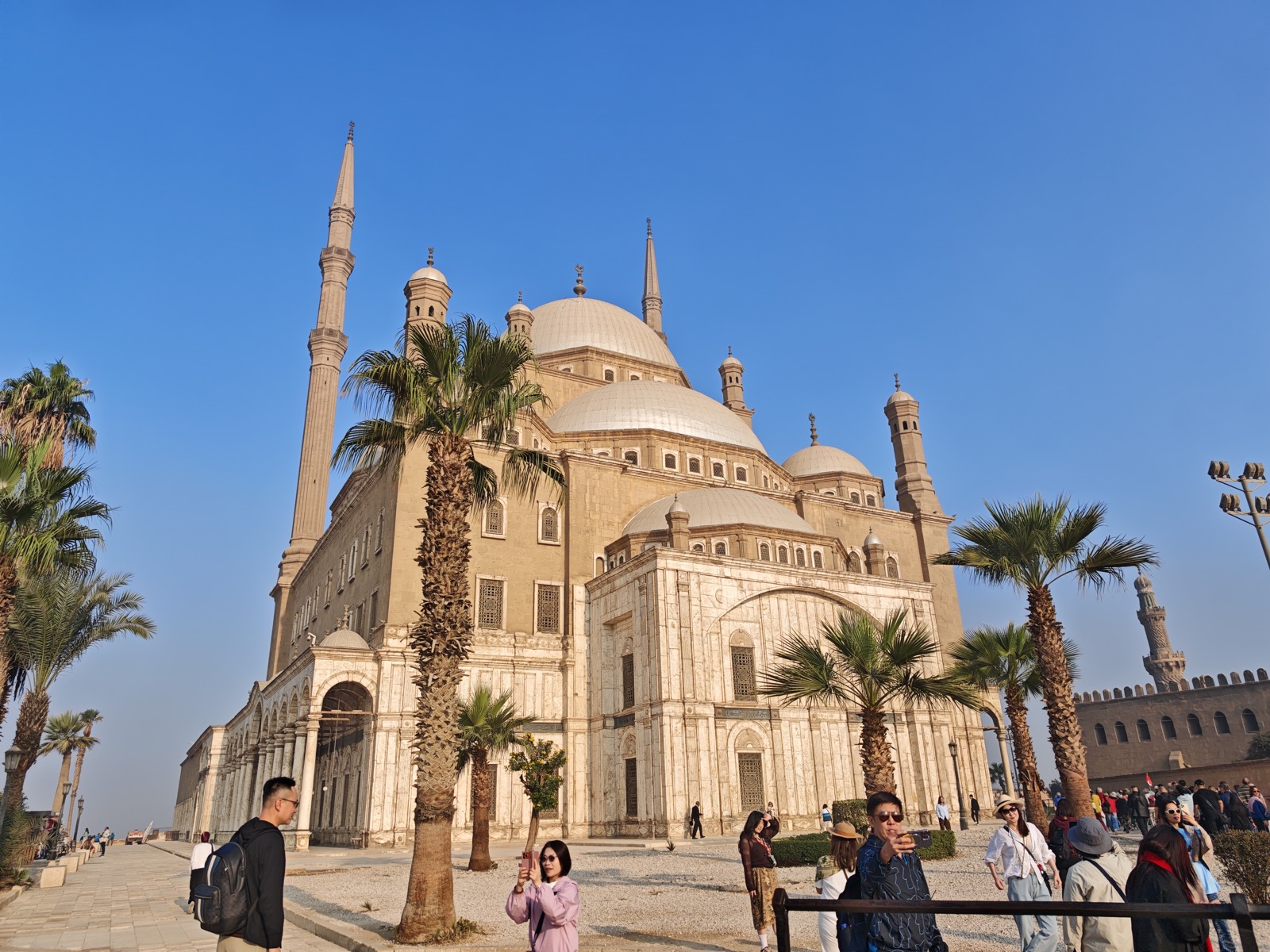
The Saladin Citadel: A sprawling compound offering unmatched architectural views of the sprawling city below.
Gayer-Anderson Museum: A lovely, intimate museum (though watch out for unofficial “guides” fishing for tips).
Abdeen Palace Museum: The former center of Cairo’s government, dripping with history.
On my final day, I did a full museum run. The National Museum of Egyptian Civilization is incredibly modern with a stunning lake park outside, though photos of their famous mummy collection are strictly prohibited.
In Old Cairo, I skipped the crowded (though free) Hanging Church in favor of the nearby Coptic Museum. The architecture of the building itself is gorgeous, and it provides a much deeper look into Egypt’s Coptic history.
Finally, I ended at the classic Egyptian Museum near Tahrir Square. The building itself is an architectural masterpiece in an elegant pink hue. While the new GEM has the modern layout, the sheer density and average quality of the artifacts in the old museum still hold their own, even if they lack detailed descriptions.
Final Thought: Navigating Egypt’s historic sites and fending off unofficial guides can be tiring, but utilizing AI to plan routes and understand the rich history made this a seamless, guide-free adventure.
comments powered by Disqus